
When evaluating vehicles at public and government auto auctions, the Vehicle Identification Number (VIN) is your single most important diagnostic tool. A VIN is a unique 17-character alphanumeric code that acts as a vehicle's legal fingerprint.
For auction buyers, decoding the VIN allows you to verify factory specifications, confirm original engine options, detect fraud, and pull accurate vehicle history reports before placing a bid.
1. Breakdown of the 17-Character VIN Structure
Standardized by the National Highway Traffic Safety Administration (NHTSA) and ISO standards, every 17-character VIN is divided into distinct sections that reveal specific manufacturing data:
+-------------------------------------------------------------------------------+
|                       17-CHARACTER VIN STRUCTURE LAYOUT                       |
+-------------------------------------------------------------------------------+
| Pos  1–3  : World Manufacturer Identifier (WMI)                               |
| Pos  4–8  : Vehicle Descriptor Section (VDS - Model, Body, Engine Type)        |
| Pos   9   : Check Digit (Security Validation Math)                            |
| Pos  10   : Model Year (Year Code)                                            |
| Pos  11   : Plant Code (Assembly Location)                                    |
| Pos 12–17 : Vehicle Identifier Section (VIS - Sequential Serial Number)       |
+-------------------------------------------------------------------------------+
2. Deciphering Key VIN Sections
A. World Manufacturer Identifier (WMI) — Positions 1 to 3
Indicates the country of origin, manufacturer, and vehicle division.
-
1, 4, or 5: Built in the United States (e.g.,
1FA= Ford Motor Company, USA). -
2: Built in Canada (e.g.,
2FM= Ford Motor Company, Canada). -
3: Built in Mexico (e.g.,
3FA= Ford Mexico). -
J: Built in Japan.
-
K: Built in South Korea.
B. Vehicle Descriptor Section (VDS) — Positions 4 to 8

Describes the vehicle's model line, body style, brake system, trim, and exact engine specification.
-
Why it matters at auctions: Sellers or third-party auction listings sometimes misidentify engine sizes (e.g., listing a V6 as a V8 or an AWD unit as FWD). Position 8 specifies the exact factory engine code. For instance, on a Ford Police Interceptor Utility, position 8 distinguishes between the naturally aspirated 3.7L V6 (
8) and the twin-turbo 3.5L EcoBoost V6 (T).
C. The Check Digit — Position 9
Position 9 is a mathematical security code calculated using a specific weight-factor formula applied to the remaining 16 characters.
-
Why it matters at auctions: The check digit prevents VIN tampering and fake paperwork. If a VIN check tool flags a check digit error, the VIN plate on the vehicle may be counterfeit or mistyped on the title documentation.
D. Model Year Code — Position 10
Represents the official vehicle model year (not necessarily the manufacture date):
| Code | Year | Code | Year | Code | Year |
| A | 2010 | G | 2016 | N | 2022 |
| B | 2011 | H | 2017 | P | 2023 |
| C | 2012 | J | 2018 | R | 2024 |
| D | 2013 | K | 2019 | S | 2025 |
| E | 2014 | L | 2020 | T | 2026 |
| F | 2015 | M | 2021 | V | 2027 |
(Note: The letters I, O, Q, U, and Z are never used in VINs to avoid confusion with numbers).
3. Where to Locate Physical VIN Stamps During Inspection
When inspecting a vehicle in person on preview day, always verify that the physical VIN stamps across different areas of the vehicle match each other and match the paperwork character for character:
-
Dashboard Plate (Primary): Visible through the lower driver-side corner of the windshield glass.
-
Driver-Side Door B-Pillar Sticker: The federal safety certification label located on the driver door jamb.
-
Engine Bay Firewall / Strut Tower: Stamped directly into the metal body frame or firewall.
-
Underbody Frame Rail: On trucks and body-on-frame SUVs (e.g., Chevrolet Tahoe, Ford F-150), the VIN is often stamped onto the outer frame rail under the passenger side.
4. VIN Fraud and Red Flags at Auto Auctions
In public asset liquidations and tow-yard auctions, VIN discrepancies require immediate attention:
-
Mismatched VIN Plates: If the dashboard VIN plate does not match the door jamb sticker or title paperwork, do not bid. This indicates a re-vinning attempt, stolen vehicle components, or major unrecorded body repairs using donor vehicle parts.
-
Scratched or Loose Dashboard Rivets: Factory VIN plates are attached using specialized rosette-shaped rivets. Standard round pop-rivets or scratch marks around the plate suggest the VIN plate was removed or replaced.
-
Obscured or Missing Door Stickers: Missing door jamb stickers often point to extensive bodywork and repainting following severe side-impact collisions.
Summary VIN Checklist for Auction Buyers
-
Copy the VIN from the Dash: Write down or photograph the VIN directly from the physical vehicle rather than relying solely on the auction catalog printout.
-
Decode Position 8 and 10: Confirm the true factory engine size and official model year before running price estimates.
-
Cross-Check Paperwork: Ensure the VIN on the auction invoice, title, and physical vehicle match perfectly before taking delivery.
In the fast-paced environment of government surplus liquidations and public auto auctions, knowing when not to bid is just as important as identifying a good deal. Because public auctions sell vehicles strictly on an "As-Is, Where-Is" basis without consumer warranties or returns, winning a lot with major hidden defects can lead to financial losses.
While minor cosmetic blemishes or flat batteries are expected on retired fleet units, certain mechanical and structural red flags signal high-cost repairs that exceed the vehicle's market value. Here are 5 critical deal-breakers every auction bidder must watch for during preview inspections.
1. Milky Oil or Oil in the Coolant Reservoir
Checking fluid condition is the most important step when opening the hood during preview day.
+-------------------------------------------------------------------------------+
|                       FLUID CONTAMINATION CHECKPOINTS                         |
+-------------------------------------------------------------------------------+
| [Oil Dipstick / Filler Cap]  --> "Milkshake" texture = Coolant mixing in oil   |
| [Coolant Expansion Tank]     --> Brown sludge / oil film = Head gasket failure|
+-------------------------------------------------------------------------------+
-
What it means: A light-brown, "milkshake-like" emulsion under the oil cap or on the dipstick indicates coolant is leaking into the engine oil pan. Conversely, brown sludge or an oil film in the coolant tank signals oil pressurized into the cooling system.
-
The Root Cause: Blown head gaskets, cracked engine blocks, or internal water pump seal failures (common on Ford 3.5L/3.7L Duratec engines found in Police Interceptor Utilities).
-
Why Walk Away: Repairing internal engine contamination typically requires complete engine teardowns or full engine replacements ($2,500 to $5,000+), quickly eliminating any auction savings.
2. Structural Frame Rot or Buckled Frame Rails
While light surface oxidation on exhaust heat shields or steel wheels is normal, severe structural corrosion or frame deformation is a major deal-breaker.
-
What to check: Look under the front and rear bumpers to inspect the main frame rails, subframes, and suspension mounting points. Check for flaking, perforated rust holes, or fresh undercoating sprayed over crumbling metal.
-
Buckled Metal / Rippled Rail Gaps: Uneven gaps between body panels combined with rippled metal on the frame rails indicate past high-speed collision damage that was never properly straightened on a frame bench.
-
Why Walk Away: Vehicles with compromised frame rails cannot pass state safety inspections, suffer structural failures during crashes, and cannot be aligned properly, causing unsafe driving behavior and rapid tire wear.
3. Disconnected, Missing, or Tampered Warning Lights
During the initial preview, turn the key to the Ignition ON position (Position II) without starting the engine to trigger the instrument cluster self-test.
| Cluster Warning Lamp | Standard Self-Test Behavior | Red Flag Behavior | Potential Cost |
| Check Engine (MIL) | Illuminates 2–5 seconds, then shuts off. | Does not illuminate at all. | Black electrical tape over bulb or removed LED to hide active diagnostic codes. |
| ABS / Traction | Illuminates briefly, then shuts off. | Stays permanently lit. | Failed ABS pump module, wheel speed sensors, or hydraulic control unit ($400–$1,200). |
| Airbag (SRS) | Illuminates briefly, then shuts off. | Stays permanently lit or flashes. | Previously deployed or missing airbags from unrecorded collisions ($800–$2,000). |
-
Why Walk Away: If a seller or previous operator tampered with the cluster to conceal active trouble codes, you cannot determine the mechanical health of the engine, transmission, or safety systems without an advanced OBD-II diagnostic scanner.
4. Chopped Electrical Harnesses and "Wire Tufting"
Retired government fleet units (police cruisers, utility trucks, fire department service vehicles) undergo equipment removal before public auction. Professional fleet mechanics unbolt equipment cleanly, but rushed removals leave severe wiring damage behind.
-
What to look for: Look under the dashboard, glove box, center console, and trunk floor.
-
Severed Main Harnesses: If emergency lighting, radios, or siren modules were removed by cutting directly through main factory wire looms rather than unplugging connectors, you will face severe electrical glitches.
-
Why Walk Away: Tracking down parasitic battery drains, short circuits, non-functioning power windows, or blown main fuses caused by cut factory harnesses can take dozens of hours of electrical troubleshooting or require a full dashboard harness replacement ($1,000–$2,500).
5. "Bill of Sale Only" or Unclear Title Paperwork
Mechanical problems can be fixed with parts, but paperwork defects can permanently prevent a vehicle from being driven legally on public roads.
-
What to verify: Review the catalog description for title status keywords before bidding:
-
❌ "Bill of Sale Only / No Title"
-
❌ "Junk Certificate / Parts Only"
-
❌ "Certificate of Destruction"
-
-
Why Walk Away: In many jurisdictions, obtaining a clean, registrable title for a vehicle sold without paperwork requires lengthy court-bonded title procedures, state police inspections, and administrative fees that often exceed the value of the vehicle. A vehicle marked "Parts Only" or "Certificate of Destruction" can never be legally registered or insured for road use.
Summary Red Flag Checklist for Auction Preview Day
-
Check the Oil Cap: Walk away if you see milky brown foam or sludge.
-
Inspect Frame Rails: Walk away if you find rust holes, frame buckling, or fresh undercoat hiding structural rot.
-
Run Ignition Self-Test: Walk away if the Check Engine light fails to illuminate during ignition key-on.
-
Inspect Under-Dash Wiring: Walk away if the factory wiring loom has been cut or stripped away.
-
Verify Title Eligibility: Walk away from "Bill of Sale Only" lots unless buying purely for spare mechanical parts.
Winning an auto auction with a low bid is exciting, but the hammer price is rarely the final amount you pay. First-time buyers often overlook additional fees, transportation expenses, and immediate repair costs that can quickly turn a good deal into a financial loss.
To make profitable bids at government and public auto auctions, you must account for all hidden expenses before placing a bid. Here are the most common hidden costs to consider.
1. Auction House Buyer Fees
Auction houses do not operate for free. They charge buyers a set of mandatory fees on top of the winning bid:
-
Buyer’s Premium: A percentage-based fee added to the final bid price (typically ranging from 5% to 15%).
-
Internet Convenience / Live Bidding Fee: Online platforms often charge an additional flat fee ($25 to $75) or a percentage fee (1% to 3%) for processing online bids.
-
Document & Title Processing Fee: A fixed administrative charge ($50 to $150) for handling title reassignment, state paperwork, or government SF-97 forms.
-
Gate / Loading Fees: Some storage yards charge a fee ($25 to $50) simply to load a non-running vehicle onto your trailer.
2. Immediate Post-Sale Maintenance and Reconditioning
Most vehicles sold at public liquidations have sat idle in municipal storage yards or impound lots for months. Before these vehicles can pass road safety inspections or drive reliably, they almost always require immediate maintenance:
| Maintenance Item | Typical Reason | Estimated Cost Range |
| New Battery | Fully discharged or dead cells from sitting idle. | $120 – $220 |
| Tire Replacement / Flat Spotting | Dry rot, low tread, or flat spots from standing still. | $300 – $700 (set of 4) |
| Fluid Flushes & Filters | Old oil, stale fuel, or degraded transmission fluid. | $150 – $350 |
| Brake Rotors & Pads | Heavy surface rust, sticking calipers, or worn pads. | $200 – $500 |
| Key Cutting & Programming | Missing transponder keys or proximity fobs. | $150 – $400 |
3. Removal, Transport, and Storage Penalties
Once an auction ends, you are on a strict clock to pay for and remove the vehicle from the facility:
+-------------------------------------------------------------------------------+
|                        AUCTION CLEARANCE TIMELINE                             |
+-------------------------------------------------------------------------------+
| [Payment Deadline]   --> 24 to 48 hours (Wire transfer / Cashier's check)       |
| [Removal Window]     --> 48 to 72 hours to haul or drive lot off property     |
| [Storage Penalty]    --> $25 to $100 per day if left past deadline            |
+-------------------------------------------------------------------------------+
-
Towing or Transport Charges: If the vehicle does not start, lacks valid registration, or has a non-operational status (Condition Code 3/4), you cannot drive it home legally. Hiring a local flatbed tow or commercial transport carrier costs money ($100 to $300+ locally).
-
Storage Fees: If you fail to remove the vehicle within the designated window, auction yards charge steep daily storage fees ($25 to $100/day). If left too long, the vehicle may be declared abandoned and re-auctioned without a refund.
4. Taxes, Registration, and Inspection Fees
After taking possession of the vehicle, you must register it with your local motor vehicle department:
-
State / Local Sales Tax: Sales tax is calculated on the total purchase price (hammer price + buyer's fees in many jurisdictions), not just the winning bid.
-
VIN Verification & Inspection Fees: Out-of-state or government surplus vehicles often require a official VIN verification ($20 to $50) and local emissions/smog testing ($30 to $80) before titling.
-
Title Reassignment & License Plate Fees: Official government title transfer and registration plate issuance fees ($50 to $150).
How to Calculate Your Final All-In Budget
Before placing your first bid on a lot, calculate your total expense using this quick formula:
Example Calculation
-
Hammer Price (Winning Bid): $2,500
-
Buyer's Premium (10%): $250
-
Document Fee: $100
-
Sales Tax (7% on $2,850): $199.50
-
Local Flatbed Towing: $150
-
Immediate Maintenance (Battery + Oil change + 2 Tires): $450
-
Real Total Cost: $3,649.50 (46% higher than the hammer price)
Key Takeaways for Bidders
-
Never bid with your maximum budget as the hammer price: Always leave a $800–$1,500 cushion for fees, taxes, transport, and unexpected repairs.
-
Read the auction fee schedule in advance: Every auction platform publishes their fee tier—review it before bidding starts.
-
Have a transport plan ready: Know exactly how you will transport the vehicle off the lot before you place a bid.
Certain vehicle models dominate government asset registries, municipal fleets, and public auctions. Because state agencies, law enforcement, and public works departments purchase fleets in bulk, these specific platforms appear regularly in auction catalogs.
Understanding the strengths, mechanical quirks, and typical wear patterns of these common auction models helps you accurately estimate repair costs and set profitable bid ceilings.
1. Ford Police Interceptor Utility (Explorer Platform)
Replacing the legendary Crown Victoria, the Ford Police Interceptor Utility (FPIU)—built on the Ford Explorer platform—is one of the most widespread vehicles in modern public fleet auctions.
-
Primary Engine Options: 3.7L V6 (Naturally Aspirated), 3.5L EcoBoost V6 (Twin-Turbo), and 3.3L V6 Direct Injection.
-
Drivetrain: Heavy-Duty All-Wheel Drive (AWD).
+-------------------------------------------------------------------------------+
|                       FORD FPIU (EXPLORER) KEY CHECKPOINTS                     |
+-------------------------------------------------------------------------------+
| [Internal Water Pump]   --> Check oil for coolant contamination (3.5L/3.7L)   |
| [PTO / Transfer Case]   --> Check for fluid leaks or burnt fluid odor         |
| [Rear Suspension]       --> Inspect toe links and control arms for heavy wear |
+-------------------------------------------------------------------------------+
Critical Mechanical Considerations
-
Internal Water Pump Failure (3.5L & 3.7L Duratec): The water pump is driven by the internal timing chain inside the engine front cover. If the pump seal fails, it leaks coolant directly into the engine oil pan. Always check the oil dipstick for a milky consistency.
-
PTO / Transfer Case Overheating: The Power Transfer Unit (PTU) supplying rear-wheel drive holds a small volume of fluid sitting close to the exhaust. Overheated PTU fluid leads to premature AWD failure.
2. Chevrolet Tahoe PPV / SSV (Police & Special Service Vehicle)
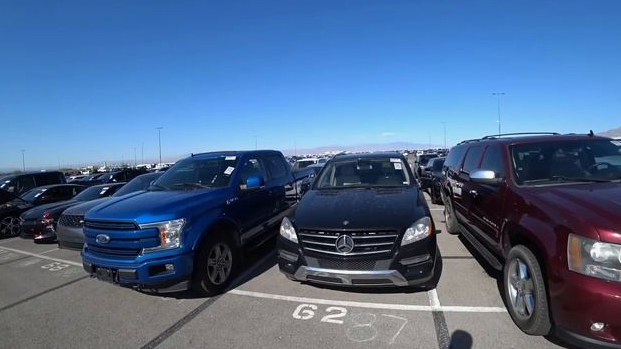
Full-size Chevrolet Tahoes are widely used by state highway patrols, sheriff departments, and emergency management agencies. They command higher resale values at auction due to their V8 power, body-on-frame construction, and high towing capacity.
-
Primary Engine Options: 5.3L EcoTec3 V8 / Vortec 5.3L V8.
-
Drivetrain: Rear-Wheel Drive (PPV) or 4WD (SSV).
| Feature / System | Advantages | Common Auction Defects |
| V8 Engine Power | Durable block; easy availability of replacement parts. | AFM / DDM Lifter Failure: Active Fuel Management lifters can collapse or tick. |
| Suspension | Heavy-duty shocks, lowered ride height (PPV), upgraded sway bars. | Worn ball joints and control arm bushings from curb impacts. |
| Cooling Package | Upgraded auxiliary oil coolers and heavy-duty radiators. | Leaking quick-connect cooler lines near the radiator. |
3. Dodge Charger Pursuit
Popular with highway patrols and traffic enforcement units, the Dodge Charger Pursuit is valued for its performance capability and aggressive styling.
-
Primary Engine Options: 3.6L Pentastar V6 or 5.7L HEMI V8.
-
Drivetrain: RWD or Performance AWD.
Common Mechanical Quirks
-
HEMI Ticking Sound (5.7L V8): High engine idle hours often starve the camshaft lobes and roller lifters of oil, causing the infamous "HEMI tick."
-
Pentastar Oil Filter Housing Leaks (3.6L V6): The plastic oil filter adapter housing located in the engine valley is prone to cracking and leaking engine oil or coolant.
-
Center Console Gaps: Police Chargers feature column-mounted shifters or specialized console cutouts. Removing police equipment leaves a large open gap between the front seats that requires an aftermarket or factory center console replacement.
4. Municipal Fleet Sedans: Chevrolet Impala & Ford Fusion
Administrative departments, school districts, and municipal inspectors frequently deploy mid-size sedans. Unlike police cruisers, these units experience lower idle hours and less extreme driving conditions.
-
Chevrolet Impala (3.6L V6): Check for power steering rack leaks, front strut wear, and actuator motor clicking behind the dashboard (HVAC blend doors).
-
Ford Fusion (2.5L 4-Cylinder / 2.0L EcoBoost): Check automatic transmission shift smoothness (6F35 transmission) and look for coolant intrusion issues on earlier EcoBoost engine blocks.
5. Public Works Utility Vans: Ford E-Series & Chevrolet Express
Commercial cargo vans retired from public works, water utilities, or transit agencies are workhorses for contractors and service businesses.
-
Rust Checks: Inspect frame rails, rocker panels, and rear step bumpers for structural rust rot caused by exposure to road salts or standing water.
-
Door Hinge & Latch Wear: Heavy commercial use causes side cargo door latches and rear hinges to sag or fail, requiring latch assembly replacements.
-
Interior Partition Holes: Expect drill holes in the floor cargo mats and bulkheads where tool shelving and utility cages were unbolted prior to liquidation.
Summary Model Buyer Checklist
-
Verify Engine Idle Hours: Always prioritize low engine idle hours over odometer mileage when evaluating Chargers, Tahoes, and Interceptors.
-
Check Engine-Specific Vulnerabilities: Test for internal water pump leaks on Ford 3.5L/3.7L units and lifter tick on Dodge 5.7L or GM 5.3L V8s.
-
Budget for Interior Reconditioning: Account for missing center consoles, floor mats, or plugged roof holes when calculating your final bid ceiling.
As government agencies and municipal authorities have modernized asset liquidation, the vehicle auction landscape has split into two primary formats: Traditional Physical On-Site Auctions and Digital Online Bidding Platforms.
While both formats give buyers access to retired government fleets, seized property, and public utility vehicles, the operational dynamics, inspection limitations, and bidding mechanics vary significantly. Knowing how to navigate each medium is essential for minimizing risk and securing value.
1. Comparing Auction Platforms
| Feature | Physical On-Site Auctions | Digital Online Auction Platforms |
| Inspection Access | Direct, hands-on physical inspection during preview days; ability to start engines (where permitted). | Dependent on digital lot photos, condition reports, and third-party inspection disclosures. |
| Bidding Pace | Fast-paced, live auctioneer calling bids in seconds; high physical intensity. | Timed auctions with automated extenders (anti-snipe features); bids placed over days or hours. |
| Geographic Reach | Local or regional buyers physically present at the storage facility. | Nationwide or international competition, increasing the number of active bidders per lot. |
| Fee Structures | Often lower administrative processing fees; standard buyer’s premiums. | Often includes platform convenience fees, online payment processing charges, or gateway fees. |
| Logistics & Removal | Immediate vehicle pickup upon payment clearance (often same-day or within 48 hours). | Requires coordinating remote freight transport, towing services, or scheduled yard appointments. |
2. Navigating Online Vehicle Auctions Effectively
Bidding on a vehicle sight-unseen requires heightened scrutiny of published documentation and digital media.
A. Maximizing Photo and Video Analysis
-
High-Resolution Inspection: Zoom in on high-wear areas—steering wheel rim, driver seat bolster, rubber pedal pads, and door sill plates. Heavy wear in these areas on a low-mileage asset signals high engine idle hours or odometer discrepancies.
-
Underbody & Suspension Shots: Look closely at tire well photos for frame rail rust, fluid leaks on suspension control arms, or missing exhaust components (e.g., cut catalytic converters).
-
Dashboard Instrument Photos: Verify if photos show the instrument cluster illuminated with the ignition key in the "ON" position. Look for active fault indicators: Check Engine (MIL), ABS, or SRS Airbag warning lights.
B. Understanding Digital Lot Mechanics
-
"Pop-Up / Anti-Snipe" Timers: Unlike retail bidding sites where bids can be placed in the final second, most public auction platforms extend the lot closing timer by 2 to 3 minutes whenever a new bid is submitted in the final moments. Expect popular lots to run well past their official end time.
-
Reserve vs. Absolute Auctions:
-
Absolute Sale (No Reserve): The vehicle sells to the highest bidder regardless of price.
-
Reserve Sale: The government agency sets a minimum acceptable price. If bidding fails to meet the reserve, the highest bid is submitted to the agency for "Pending Approval," which can take 24–72 hours.
-
3. Mastering Live Physical On-Site Auctions
Physical auctions move rapidly—an auctioneer can clear 60 to 100 lots per hour. Success on-site relies on environmental awareness and psychological control.
+-------------------------------------------------------------------------------+
|                       PHYSICAL AUCTION DAY WORKFLOW                           |
+-------------------------------------------------------------------------------+
| [Arrive Early (Preview Day)]  --> Inspect priority targets & note lot numbers|
| [Set Maximum Bid Ceiling]    --> Deduct buyer's premium and transport fees    |
| [Position Near Auctioneer]    --> Keep clear view of competing bidders         |
| [Execute Bids Decisively]     --> Signal clearly; stop exactly at max limit   |
+-------------------------------------------------------------------------------+
Key Tactics for the Yard
-
Locate Competing Bidders: Position yourself where you can see both the auctioneer/ringman and the main crowd. Identify whether you are bidding against private individuals (who may bid emotionally) or commercial fleet buyers (who stop bidding strictly at wholesale threshold limits).
-
Control Your Body Language: Keep your paddle flat until you intend to bid. Clear, decisive signals prevent the auctioneer from misinterpreting a head nod or adjustment as an active bid.
-
Verify the Lot Number: Auctioneers move quickly. Always double-check that the lot number called matches the exact vehicle parked in the ring or on your inspection sheet before raising your paddle.
4. Post-Win Logistics: Transport and Site Clearance
Winning a lot triggers strict facility clearance deadlines, typically 24 to 72 hours before daily storage penalties apply ($25–$100/day).
-
On-Site Pickup: If driving the vehicle home, bring a jump-starter pack, portable tire inflator, basic hand tools, and fresh fluids (oil/coolant). Ensure temporary transit permits and insurance coverage are active.
-
Towing / Flatbed Transport: Non-operational units (Condition Code 3/4) or vehicles lacking title documentation must be towed off the yard by a licensed transport operator. Schedule freight logistics before auction day if bidding remotely.
Summary Action Steps
-
For Online Auctions: Rely heavily on VIN history reports, detailed photo analysis, and factor remote shipping costs into your maximum bid ceiling.
-
For Physical Auctions: Complete all physical inspections during early preview hours—never inspect a vehicle while it is actively being auctioned in the ring.
-
Plan Clearance Logistics: Have a transportation plan ready for immediate execution the moment your invoice is cleared.
- Valuation and Strategy: How to Value Vehicles at Government Auctions and Set Maximum Bids
- Comprehensive Inspection Checklist for Public and Government Vehicle Auctions
- Essential Paperwork and Title Transfers for Public Auction Vehicles
- Decoding Government Auction Vehicle Condition Codes: What Buyers Need to Know
